
Solar Panels: A 2026 Guide
Steps to switching to solar energy
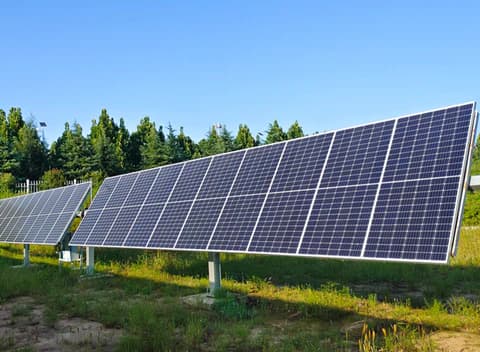
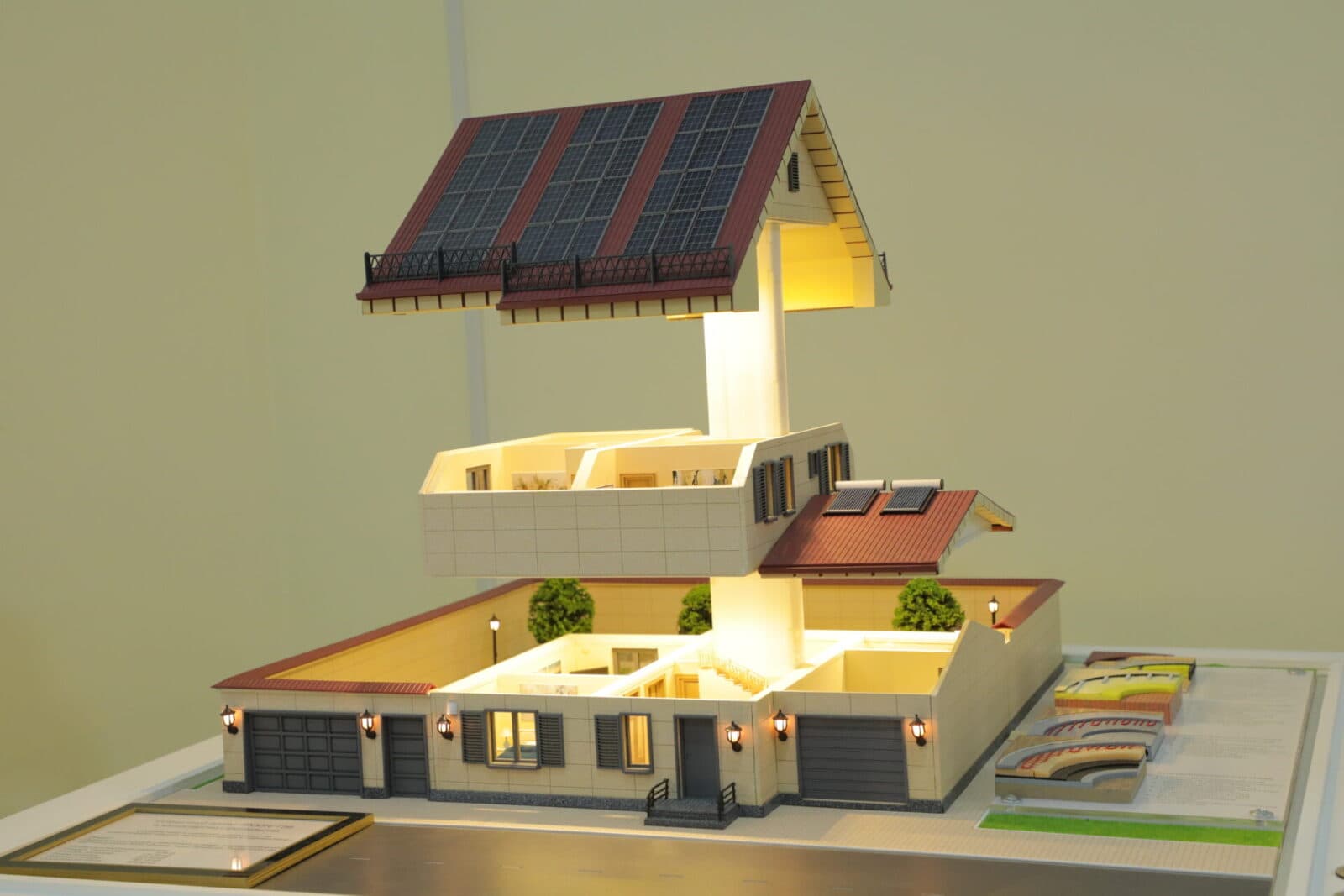
# The Complete Guide to Solar Panels – 2026 In 2026, Uzbekistan is carrying out large-scale reforms to develop renewable energy. This guide gives you useful, reliable information on getting started, obtaining subsidies, the new technical standards and the latest projects of 2026. --- ## 1. Key Changes in 2026 and Government Support If you are planning to install solar panels, in 2026 you can take advantage of financial support measures introduced by the government. According to the National Agency for Energy Efficiency, the following incentives are available: | Item | Amount / note | |---|---| | **Reimbursement of energy audit costs** | up to 100% | | **Equipment cost subsidy** | 20% (for solar panels and solar water heaters) | | **Heat pump subsidy** | up to 40% (up to 50 times the BCA) | | **For textile companies** | loan interest compensation of up to 10 percentage points | These incentives were approved by Cabinet of Ministers Resolution No. 673 and are intended for households and businesses. --- ## 2. New National Technical Standard (O‘z DSt, 2026) Scientists from the Institute of Energy Problems of the Academy of Sciences of Uzbekistan have developed a dedicated **national standard**. The document is titled "Combined wind and solar photovoltaic systems. Technical requirements". **The standard covers:** - system architecture; - core requirements for equipment (wind turbines, panels, inverters, controllers); - requirements adapted to **Uzbekistan's climate** (high temperatures and strong solar radiation). The standard was developed in early 2026, so you should follow it when designing your system. --- ## 3. What Types of Systems Can You Install? ### A. Rooftop Systems (Rooftop Solar – RTS) According to the EU-supported SECCA project, Uzbekistan has the potential to deploy up to **6,000 MW** of rooftop solar capacity by 2035. This option suits urban settings – private houses and apartment buildings alike. ### B. Off-Grid Systems Designed for areas with frequent power outages or no grid connection at all. In these systems, energy is stored in batteries. Approximate prices for 2026: - **1–2 kW (small house, country home)**: $1,000 – $3,000 - **3–5 kW (typical home)**: $4,000 – $10,000 - **10–30 kW (farm, business)**: $15,000 – $50,000+ ### C. Agrivoltaics (Agri-PV) A new technology in which solar panels are installed above fields where crops are grown. An Agri-PV project is under way in Tashkent District, Tashkent Region: **819 panels per hectare**. The panels provide shade, save water and protect crops from the heat. --- ## 4. How to Choose and Install a System Correctly Mounting structures play a decisive role in the lifespan and efficiency of your panels: 1. **Material**: structures should be made of corrosion-resistant aluminum or galvanized steel (winters in Uzbekistan can be humid). 2. **Angle and orientation**: panels should face south at the optimal tilt (roughly 30–40° for Uzbekistan). The right angle typically increases output by 15–25% compared with a flat installation. 3. **Safety**: structures must withstand wind and seismic loads. --- ## 5. Major Projects in 2026–2027 (What's Happening in the Country?) The government is implementing a program to build 28 solar and wind power plants: - **During 2026**, 11 solar power plants (2 MW each) will be commissioned in the Andijan, Bukhara, Jizzakh, Samarkand, Tashkent and Fergana regions. - **In Gijduvan District, Bukhara Region**, Voltalia is building a 500 MW hybrid (solar + wind) plant. The project will be equipped with a 100 MW Battery Energy Storage System (BESS). --- ## 6. Conclusion and Recommendations for 2026 1. **Don't miss out on the subsidy**: whether you are an individual or a business, get an energy audit and prepare the documents to receive the 20% subsidy. 2. **Learn the new standard**: when buying equipment, ask the seller: "Is this equipment suitable for Uzbekistan's climate and compliant with the 2026 standard?" 3. **Follow the projects**: if a large plant is being built in your area (for example, Agri-PV or a hybrid plant), it will improve the stability of the local power supply. --- *Note: This information is based on official announcements by the government and international organizations as of April 2026.*